Blood Pressure Monitor: How to Choose the Right One and Measure Blood Pressure Correctly
Last updated: 25 Aug 2026 | 254 Views |

How to Choose the Right Blood Pressure Monitor for Accurate Measurement
Measuring blood pressure is a fundamental way to monitor health, especially for the elderly, those with high blood pressure, or those who need to regularly check their blood pressure. Having a blood pressure monitor at home makes measuring and recording blood pressure readings much easier.
Currently, blood pressure monitors come in many forms, both upper arm and wrist, with different additional functions. Therefore, choosing the right blood pressure monitor should consider its design, convenience, and suitability for the user.
What is a Blood Pressure Monitor?
A blood pressure monitor is a device used to measure the pressure of blood within blood vessels. Generally, it displays three main values:
Systolic Blood Pressure: The pressure when the heart contracts.
Diastolic Blood Pressure: The pressure when the heart relaxes.
Pulse Rate: The number of times the heart beats per minute.
Regular measurements can help users track blood pressure trends and provide information to discuss with healthcare professionals.
How Many Types of Blood Pressure Monitors Are There?
1. Upper arm blood pressure monitor.
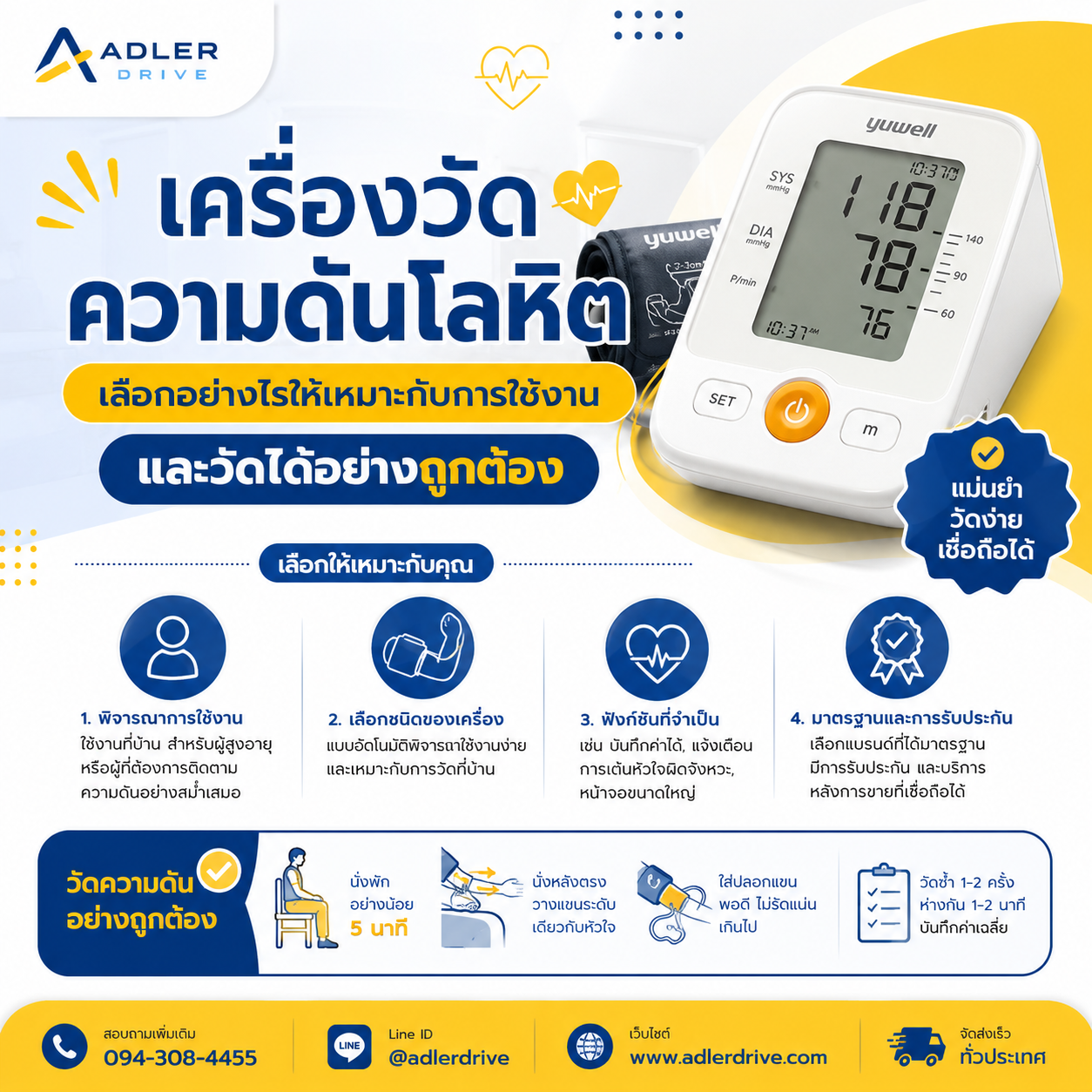
This is a popular method for home use, where the cuff is wrapped around the upper arm and the device automatically measures the blood pressure.
Advantages:
- Easy to use.
- Suitable for routine blood pressure measurements.
- Available in various models.
Suitable for the elderly and family use.
2. Wrist blood pressure monitor.
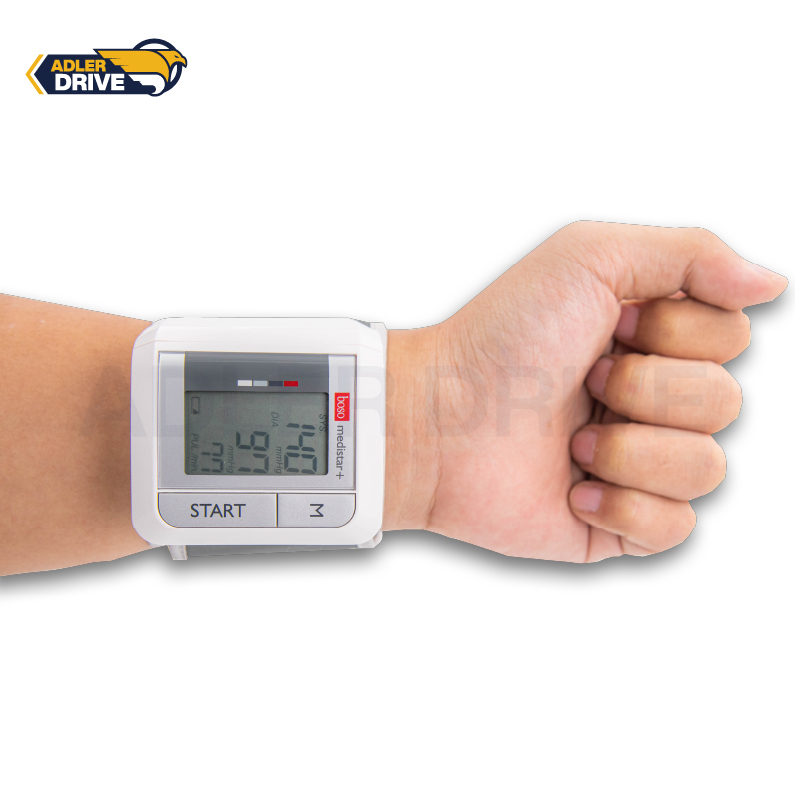
This compact device wraps around the wrist, making it convenient to carry and use outdoors.
However, for wrist measurements, the wrist must be positioned correctly and the manufacturer's instructions carefully followed to ensure consistent results.
How to measure blood pressure correctly.
Even with user-friendly blood pressure monitors, posture and physical condition before measurement affect the readings displayed on the screen.
Before measuring, you should:
- Rest comfortably in a seated position for approximately 5 minutes.
- Avoid exercise, caffeine, and smoking during the appropriate time before measurement.
- Sit with your back against a chair and your feet flat on the floor.
- Do not speak or move your body during measurement.
- Position your arm at the appropriate level as instructed by the device.
- Wrap the cuff correctly and snugly.
- For tracking purposes, measure at similar intervals and record the results regularly.
If the measured value is unusual or significantly different from previous readings, rest and repeat the measurement correctly. If you have any health concerns, consult a doctor or healthcare professional.
How to choose a blood pressure monitor?
When choosing a blood pressure monitor, consider your intended use primarily.
Choose the appropriate cuff size.
An ill-fitting cuff can affect measurements, so check the size compatibility before purchasing, especially for elderly users or multiple family members.
Choose an easy-to-use device.
For the elderly, choose a device with an easy-to-read screen, simple buttons, and clearly visible pressure readings.
Consider additional functions.
Some blood pressure monitors offer additional functions such as:
- Irregular heartbeat detection
- Recording past measurements
- Supporting multiple users
- Displaying average measurements
- Connecting to devices or applications (in some models)
Choose functions that are essential for practical use to ensure the device is convenient and cost-effective.
Which type of blood pressure monitor is best for the elderly?
When buying a blood pressure monitor for the elderly, prioritize ease of use and readability over a device with numerous functions.
An upper arm blood pressure monitor with easy-to-use buttons, a large, clear display, and a measurement recording system is a suitable choice for home use.
How often should blood pressure be measured?
The frequency of measurement depends on the purpose and the doctor's recommendations. For those who want to monitor blood pressure at home, it is important to schedule regular measurements and record the results to observe trends.
It is crucial not to judge a health condition based on a single measurement, as blood pressure can fluctuate due to various factors such as stress, insufficient sleep, physical activity, and the time of measurement.
Summary
A blood pressure monitor is an ideal device for monitoring blood pressure at home, especially for the elderly and those who need regular checkups. When choosing a suitable device, consider the type of machine, cuff size, ease of use, screen clarity, and functions that meet your needs.
In addition to choosing the right device, correct posture during measurement and consistent recording of readings are also crucial.
If you are looking for a high-quality blood pressure monitor for home use.
For those seeking a home blood pressure monitor and prioritizing accuracy, ease of use, and continuous monitoring, boso is a brand worth considering.
boso is a German brand of blood pressure monitors. Many boso digital monitors have passed the accuracy standards of the European Society of Hypertension (ESH) and are certified or evaluated for accuracy by relevant professional organizations.
Key Features of boso Blood Pressure Monitors:
- Emphasis on measurement accuracy, with models tested to ESH standards.
- Available in both upper arm and wrist cuff types to suit different needs.
- Easy to use; many digital monitors can start measurement with a single button press.
- Includes a heart rhythm detection function in compatible models.
- Features a measurement recording system to help track long-term blood pressure trends.
Offers multiple cuff sizes to ensure a proper fit for different arm circumferences, another crucial factor in measurement accuracy.
Boso Medicus X Blood Pressure Monitor — For those who need more functions.
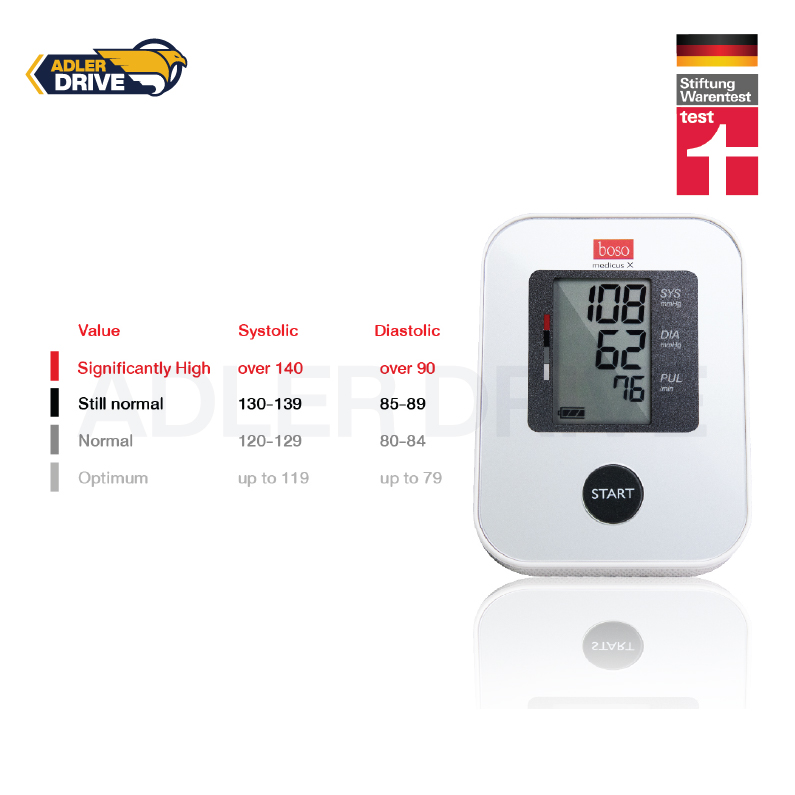
If you need to continuously monitor your blood pressure, the Boso Medicus Vital is another interesting option. It can store up to 30 blood pressure readings for later review, has a system for calculating averages, detects irregular heartbeat, and comes with an error alert system if the user is not in a medically correct position.
Boso Medicus System Blood Pressure Monitor — Ideal for the Elderly
This blood pressure monitor can store up to 30 readings, including blood pressure, pulse, and arrhythmia. The BOSO Application, which connects via Bluetooth to a smartphone, helps record, track, and manage health data. It provides comprehensive results in graph format and sends reports via email.
Contact Us:
Email: sale.adlerdrive@gmail.com
Tel: 061-712-3773
Line: https://page.line.me/adlerdrive


